

Residence Registration in Italy: What It Is, Who Can Do It, and How to Do It
When a foreign national arrives in Italy, they often need to complete certain essential administrative procedures. Among these is residence registration, a process that is essential for obtaining residency in Italy and, in the cases provided for by law, gaining access to numerous public services.
What is residence registration?
Residence registration is the procedure by which a citizen—whether Italian or foreign—applies to be registeredin the NationalRegistry of the Resident Population (ANPR) through the municipality where they establish their habitual residence.
Through this registration, the municipality certifies that a person:
- usually resides in a specific municipal area;
- has his or her usual place of residence at a specific address;
- is a resident of the municipality where he or she filed the tax return.
Once the procedure is complete, the citizen can request the certificate of residence, a document that officially certifies the municipality and the residential address. The certificate can be requested at City Hall or, when available, downloaded directly online through the ANPR portal.
Difference Between Residence Registration and a Certificate of Residence
It is important to distinguish between the two concepts.
Residence registration
This is the procedure by which a citizen is registered in the National Registry of Resident Population (ANPR) through the municipality of residence.
Certificate of Residence
It is the document issued subsequently that officially certifies the citizen’s place of residence.
Who can apply for residence registration?
Residence registration may be requested by both European Union citizens and non-EU citizens, provided they meet the requirements set forth by Italian law and submit the required documentation.
Residence registration for non-EU citizens
Citizens of countries outside the European Union who are legally residing in Italy must apply for residence registration when they establish their habitual residence in Italy.
To apply, you generally need to have:
- a valid residence permit or the documentation required by law in cases of renewal;
- in cases permitted by law, the receipt for the initial application for a residence permit;
- a valid form of identification;
- documentation regarding the residence for which residency is being requested (for example, a lease agreement, a loan-for-use agreement, or other appropriate documentation).
Residence Registration for EU Citizens: Requirements
What happens if a European Union citizen intends to stay in Italy for more than three months? If they fall into one of the categories specified in Legislative Decree No. 30/2007, they may apply for residence registration. These categories are:
1. Employees or self-employed individuals
Anyone who is employed in Italy may apply for residency by submitting documentation regarding their employment or professional activity.
2. Students
Students who are citizens of the European Union may apply for residence registration if:
- are enrolled at a recognized public or private school or university;
- have valid health insurance or another form of coverage required by law;
- demonstrate that they have sufficient financial resources to support themselves and, if applicable, their family members.
3. Financially independent citizens
Even those who are neither working nor studying can apply for residence registration if they can demonstrate:
- to have sufficient financial resources to support themselves during their stay in Italy;
- to be covered byvalid health insurance or another form of coverage required by law.
4. Family members of EU citizens residing in Italy
A family member who accompanies or joins a European Union citizen already residing in Italy may apply for residence registration in accordance with the conditions set forth in current legislation.
How to File a Declaration of Residence and Obtain Residence Registration
The application must be submitted to the municipality where you intend to establish your habitual residence.
The procedures may vary from municipality to municipality, but generally, the declaration of residence can be submitted:
- directly at the Registry Office;
- via certified email (PEC);
- by regular email, attaching the required documentation;
- by certified mail;
- through the ANPR portal, by logging in with SPID, an Electronic ID Card (CIE), or a National Services Card (CNS), in municipalities that have activated the service.
The request is made by filling out the ministerial residence declaration form.
The municipality then conducts the investigations required by law, including verification of the individual’s actual habitual residence, which may also be carried out by the local police.
Documents Required for the Residence Registration of an EU Citizen Student
For students who are citizens of the European Union, the following are normally required:
- ministerial form for a personal information declaration;
- a valid ID card for travel abroad or a passport;
- proof of enrollment at a recognized school or university;
- a statement regarding the availability of sufficient financial resources;
- Health insurance valid in Italy or another acceptable form of coverage as required by law.
Health insurance must provide adequate coverage for the duration of your stay in Italy.
How long does it take to obtain residency?
After the declaration of residence is submitted, the municipality registers the request within two business days, subject to a subsequent verification of eligibility.
Subsequently, investigations are conducted to determine the applicant’s actual habitual residence, which must normally be completed within 45 days.
If no irregularities or grounds for rejection are found within that time limit, the residence registration is considered definitively confirmed. If, however, the requirements are not met or the verification process yields negative results, the municipality may issue a rejection notice.
Why is it important to register with the civil registry?
Obtaining residency in Italy allows you to officially prove your usual place of residence and may be required for numerous administrative procedures, including:
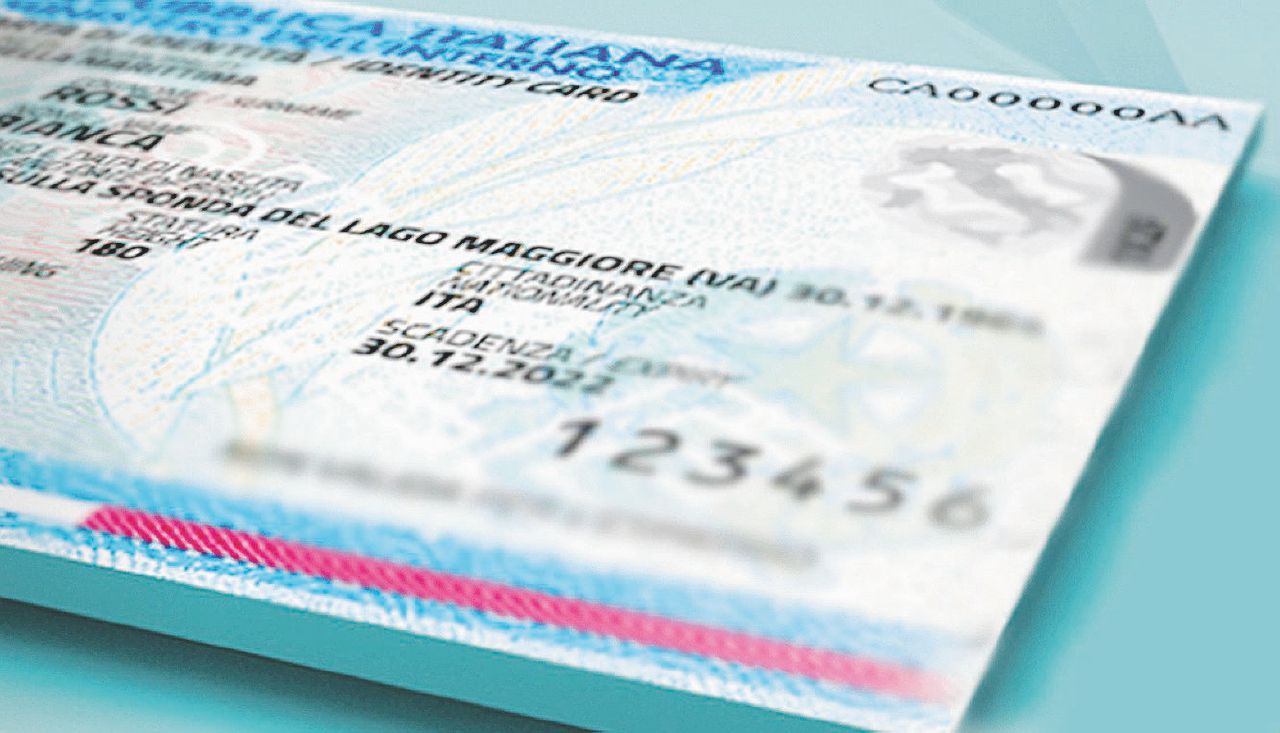
- apply for the Electronic Identity Card (CIE);
- be eligible, in the cases provided for by law, to enroll in the National Health Service;
- handle numerous administrative tasks;
- to meet one of the requirements for certain procedures, including, in the cases provided for by law, an application for Italian citizenship.
WAI Assistance and Support
Italian bureaucratic procedures may vary depending on the applicant’s personal circumstances (employee, student, family member, EU or non-EU citizen).
Welcome Association Italy’s commitment to supporting EU and non-EU citizens who choose Italy as a place to study, work, or live is reflected in dedicated services and assistance packages designed to help people navigate bureaucratic procedures. Discover our package for European Union citizens applying forresidence registration.