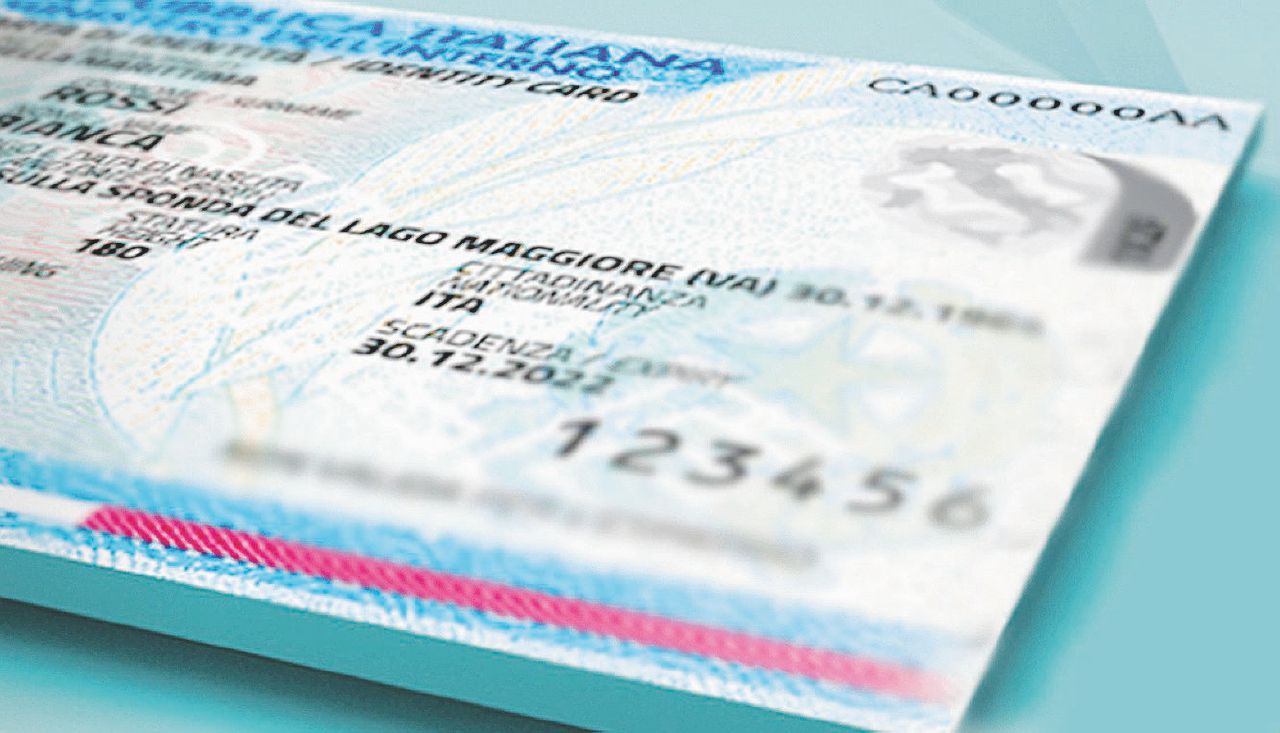


Health Care in Italy: A Guide for Foreigners
When a foreign national comes to our country for a stay of varying duration, they may need to access medical care. Understanding how the healthcare system works in Italy is very important for grasping the benefits and limitations of public healthcare and, if necessary, deciding in a timely manner to purchase private health insurance.
Being abroad and having to deal with a health issue or an accident is a situation that causes a great deal of worry and anxiety. You’re far from home, you may face difficulties due to a limited knowledge of the language, and you might feel disoriented. Our union is committed to assisting foreigners visiting Italy and promoting their well-being. For this reason, we have put together a brief guide to introduce you to the healthcare system and other useful services available during your stay.
How the Healthcare System in Italy Works for Foreigners
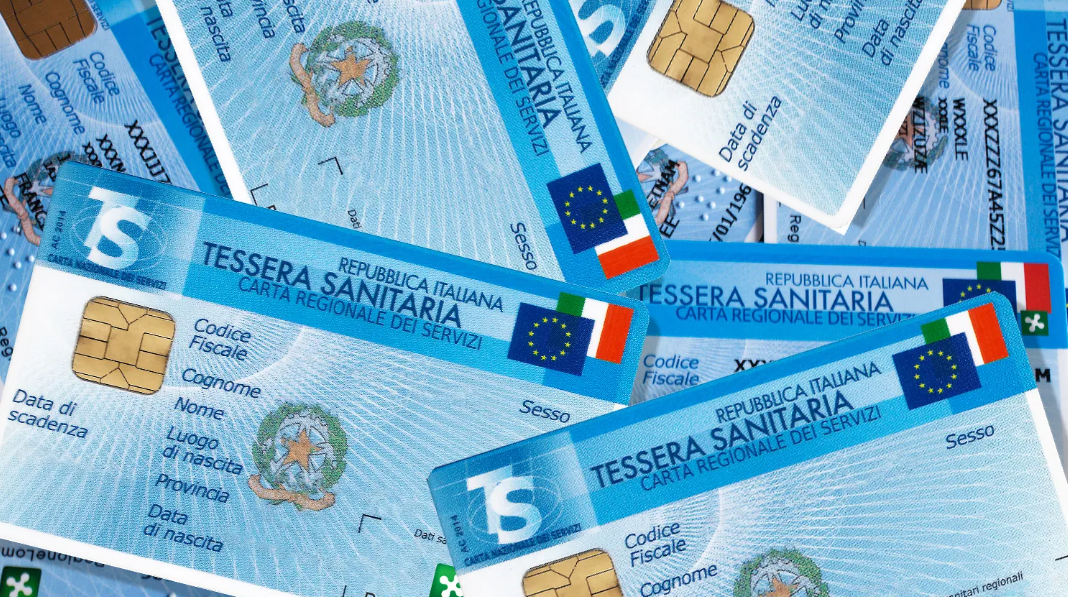
Which foreign nationals in Italy are eligible to enroll in the National Health Service? Foreign nationals residing in Italy with a valid residence permit or awaiting regularization are entitled to the health care provided by the National Health Service (SSN). They will receive the same treatment as Italian citizens upon obtaining a health card.
Foreign nationals staying in Italy for more than three months who do not meet the requirements to enroll in the SSN must obtain insurance coverage for accidents, illness, and maternity. To this end, they may take out a private insurance policy or voluntarily enroll in the SSN by paying an annual flat-rate contribution.
Voluntary Enrollment in the National Health System
Voluntary enrollment in the National Health Service (SSN) is generally for a calendar year; it cannot be split into shorter periods and does not take effect retroactively. Students, individuals with a residence permit for elective residence, religious personnel, and other categories specified by law may apply for enrollment. Enrollment is processed through the relevant Local Health Authority (ASL) and grants access to NHS services under the same conditions as regular members, including the choice of a primary care physician. Excluded, among others, are foreign nationals present for tourism or medical treatment; however, those residing legally for reasons that entitle them to mandatory enrollment are enrolled in the SSN free of charge.
What does social and health care assistance include?
Social and health care services include all the services needed to:
- to maintain citizens’ health,
- stabilize his clinical condition,
- treat medical conditions,
- to undergo rehabilitation,
- improve his quality of life.
This includes both health care services and social support and protection measures. To learn more about how medical expense reimbursement works, we invite you to read our recently published article on the topic.
Due to the persistent shortage of primary care providers, the Italian government has had to introduce a system of copayments, or “ticket.” Patients are required to pay these copayments even when they use the public healthcare system.
How is the Italian healthcare system structured?
Since 1979, Italy has had a National Health Service to which all residents are entitled, in accordancewith Article 32 of the Constitution. This service is funded through a combination of public funding and private medical services. The Italian government sets the total budget for the National Health Service (SSN) and allocates it among the 20 Italian regions. It also specifies the minimum level of care guaranteed to all and outlines the circumstances and procedures under which patients may access private care with funding from the SSN.
The National Health Service is based on the principles of universality, equality, and equity. The principle of universality establishes that the entire population is entitled to health care services.
Primary Health Care and Hospital Facilities
The 20 regions that make up Italy are divided into 650 Local Health Authorities (USL). Primary care is organized into Local Health Units (now known as ASLs), which are in turn divided into districts. Each patient can register with a primary care physician who may be an employee of an ASL or a self-employed professional who also works under contract with the ASL.
As for hospitalizations, tests, and treatments, over 80% of hospital beds in Italy are in the public sector, and less than 20% are in the private sector, which is often run by religious organizations. Most private clinics enter into agreements with local health authorities to supplement public care. They then receive reimbursements from the government based on nationally established rates. In many areas of Italy, such as the southern regions, private healthcare is the only option available for various tests and for prompt care.
The Challenges Facing Public Health Care Systems in Europe
Public health care in many European countries suffers from a lack of resources, with serious consequences such as the inaccessibility of care for many economically disadvantaged patients. A recent survey conducted in four European countries—Italy, the United Kingdom, Switzerland, and Norway—and published in BMC Health Services Research reveals the perceptions of 1,600 physicians regarding the efficiency of the healthcare systems in the countries where they practice. Most of the respondents reported serious shortcomings in the healthcare system. Particularly affected areas include surgical procedures, mental health care, home nursing care, specialist consultations, and post-accident rehabilitation.
Although the four countries have universal health care systems, these do not guarantee funding for all types of treatments, nor do they provide full coverage for them. To access many treatments, patients are required to pay a copayment.
The Situation in Italy
Among the four countries analyzed, Italy has the highest number of doctors and nurses and the lowest per-capita public funding. Our country also ranks second to last in terms of the number of requests from citizens for reimbursement of medical expenses. Furthermore, it does not excel in terms of speed and efficiency when it comes to scheduling doctor’s appointments and undergoing medical tests.
Private facilities with which we have agreements
Accredited private hospitals are healthcare facilities that have agreements with the Regional Health System. They must ensure safety and quality standards based on the various regional laws that define the terms of accreditation. Citizens can make appointments at these facilities without incurring any additional costs beyond those charged by their local ASLs.
Private facilities not affiliated with the public health system
At the same time, private healthcare providers not affiliated with the National Health Service (SSN) also provide significant support to the healthcare system in Italy. Both Italian and foreign patients can access the services provided by these facilities at their own expense. Private healthcare providers often have agreements with health insurance companies.
Insurance policies for foreign nationals generally have a six-month or one-year term, starting from the date of application for a residence permit or residence registration. These policies typically cover:
- interpreter in the event of an accident;
- emergency hospital care;
- telephone medical consultation;
- medical repatriation with no expense limits;
- a doctor who makes house calls in case of an emergency;
- access to various participating clinics.