

Stereotypes about Italians and culture shocks
Moving to another country to study or work is an experience that can be both wonderful and challenging at times, as it involves a series of changes—both big and small—that you have to deal with. For example, moving to Italy from a country outside Europe can cause a significant culture shock, because some Italian customs are very different from those in other countries.
Stereotypes About Italians
What do foreigners think of Italians? And how realistic is the image people often have of Italy and its inhabitants?
Cultural stereotypes arise precisely from the attempt to summarize the way of life of an entire people in just a few characteristics. They may contain a grain of truth, but they are often exaggerations or generalizations. However, learning about some Italian customs can help those who want to live in Italy better understand the local culture and arrive better prepared.
Here are 7 things to know about Italians before moving to Italy.
1. The Importance of Family (and Friends)
If you asked an Italian to rank work, family, and friends in order of importance, they would probably always put family and friendship first. Family is a fundamental pillar of Italian culture, and the bond with parents and close relatives remains strong even into adulthood. Sunday family lunches can last for hours and are traditions that are hard to break in Italy.
In this regard, Italian young men are often called“mammoni”—one of the most well-known stereotypes about Italians abroad—because of their attachment to their mothers in particular. It’s also common for children to live with their parents well into adulthood—sometimes even past the age of 30—but this is due to economic as well as cultural reasons.
2. Direct Communication by Italians
Italians are known for being straightforward and warm. It’s true that their habit of speaking loudly and gesturing can make them seem a little aggressive, but often this is just their way of expressing themselves.
Gesturing is, in fact, one of those Italian stereotypes that has a grain of truth to it: for many foreigners, it’s one of the first things that strikes them when they arrive in Italy. Learning to recognize some typical verbal expressions and hand gestures can help you understand conversations and not be intimidated by Italian exuberance.
3. Food Culture in Italy
The subject of cooking may seem second nature to you, but we guarantee that for Italians it is not. If you want to make a good impression at the table with Italian friends, here are some golden rules:
- Pineapple pizza is strictly forbidden;
- No to cappuccino after 12:00 noon and absolutely no to cappuccino together with pizza;
- No to cheese on fish dishes;
- No to chicken on pasta or pizza;
- Pizza is eaten with the hands;
- No breaking spaghetti.
Another interesting feature of Italian culinary culture is breakfast, which is almost always sweet. It usually includes coffee or cappuccino accompanied by a “pastina,” which is a baked sweet such as cornetto, pasticciotto or ciambellone.
4. Coffee and Greetings with Kisses
Coffee is a true source of Italian pride, and the way it’s consumed can come as a bit of a culture shock to those visiting from abroad: it’s often drunk standing up at the bar counter, in one gulp, and—above all—without spending too much time on it.
Even the way people greet each other can be surprising. In Italy, people often greet each other with two kisses on the cheeks—one on the right cheek and one on the left. This type of greeting isn’t reserved only for friends and family; it can also happen when meeting someone for the first time, especially among people from the same social circle.
5. Public Transportation in Italy
The operation of public transports in Italy varies greatly depending on where you are. In large cities, such as Rome and Milan, the network of buses, streetcars and subways makes it easy to get around. However, in smaller places on the coast, in the countryside or in mountainous areas, public transportation may be infrequent or even absent.
Therefore, owning or renting a car may prove necessary in Italy, especially if you plan to live far from large cities.
6. What Makes Universities in Italy Unique
If you are thinking of moving to study in Italy you will be interested to know that the Italian university experience can be very different than in the United States or other countries.
In Italy, public universities are more popular than private ones (because they are much cheaper, but still top-notch). Private universities usually offer better connections to the world of work, but on the condition of paying significantly higher tuition fees.
Students do not live on university campuses, but must usually rent a room in the city to attend classes. The absence of dormitories on campuses does not mean that there is no university life: to participate, one only needs to frequent the piazzas, the real socializing spots in Italian cities.
In addition, teaching in Italian universities is often more theoretical and less practical than in other countries, and this is also evident in the way exams are given, which are often oral.
7. Italian Bureaucracy and Stereotypes to Debunk
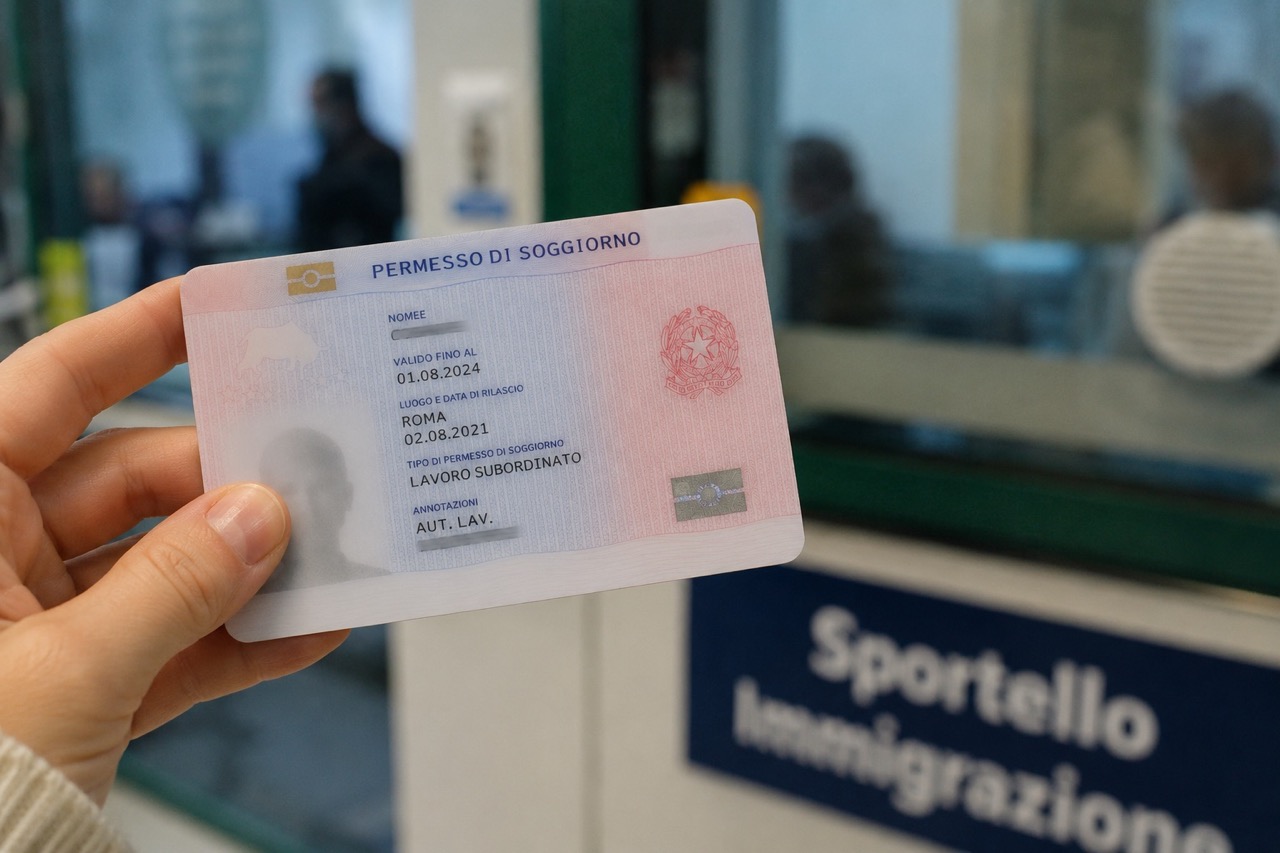
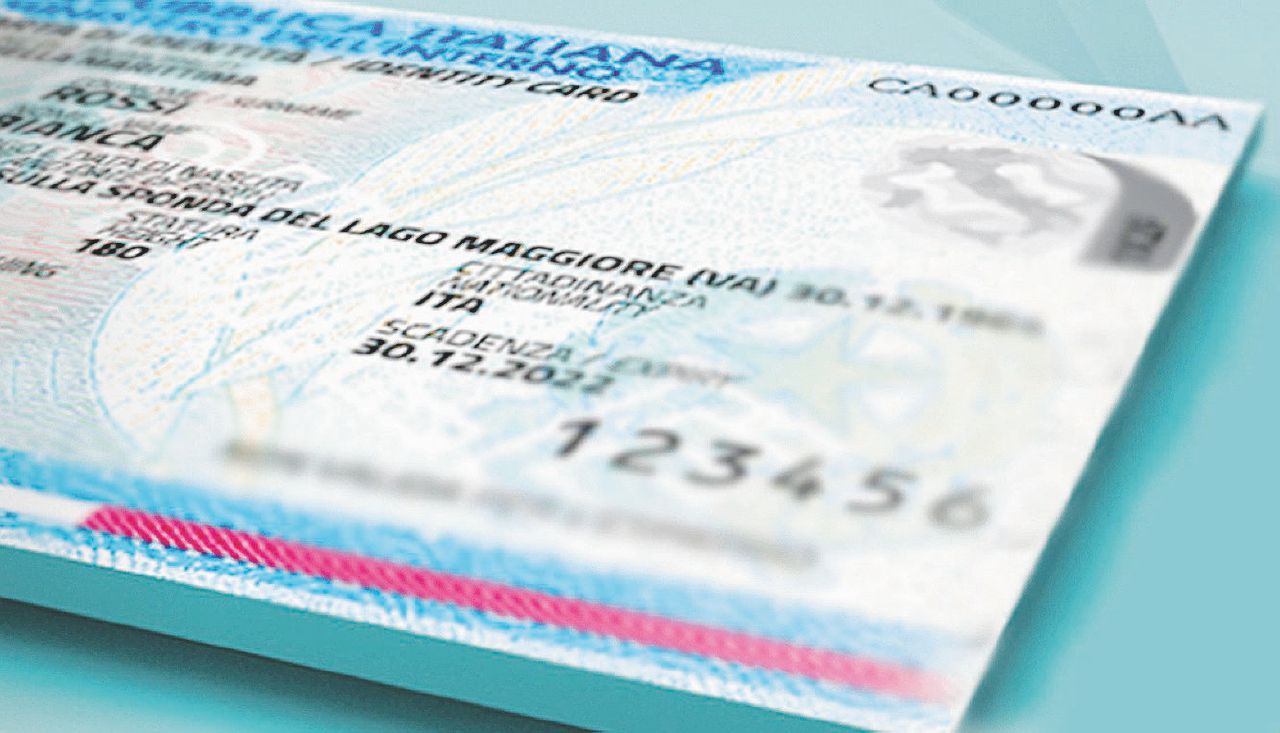
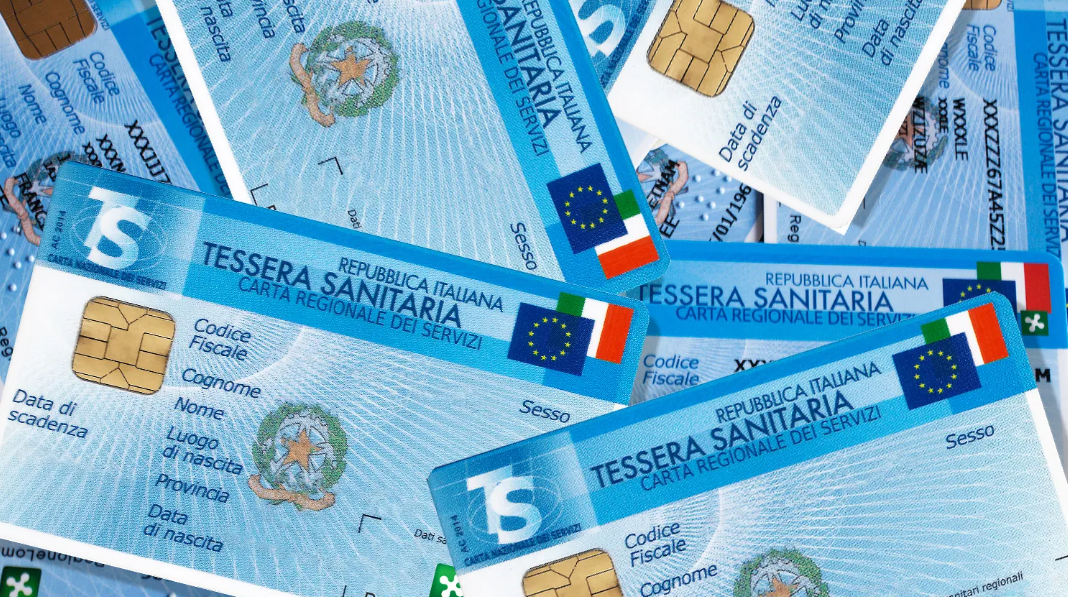
If you move to Italy you will have to deal with a lot of paperwork such as applying for a residence permit, health card and tax code.
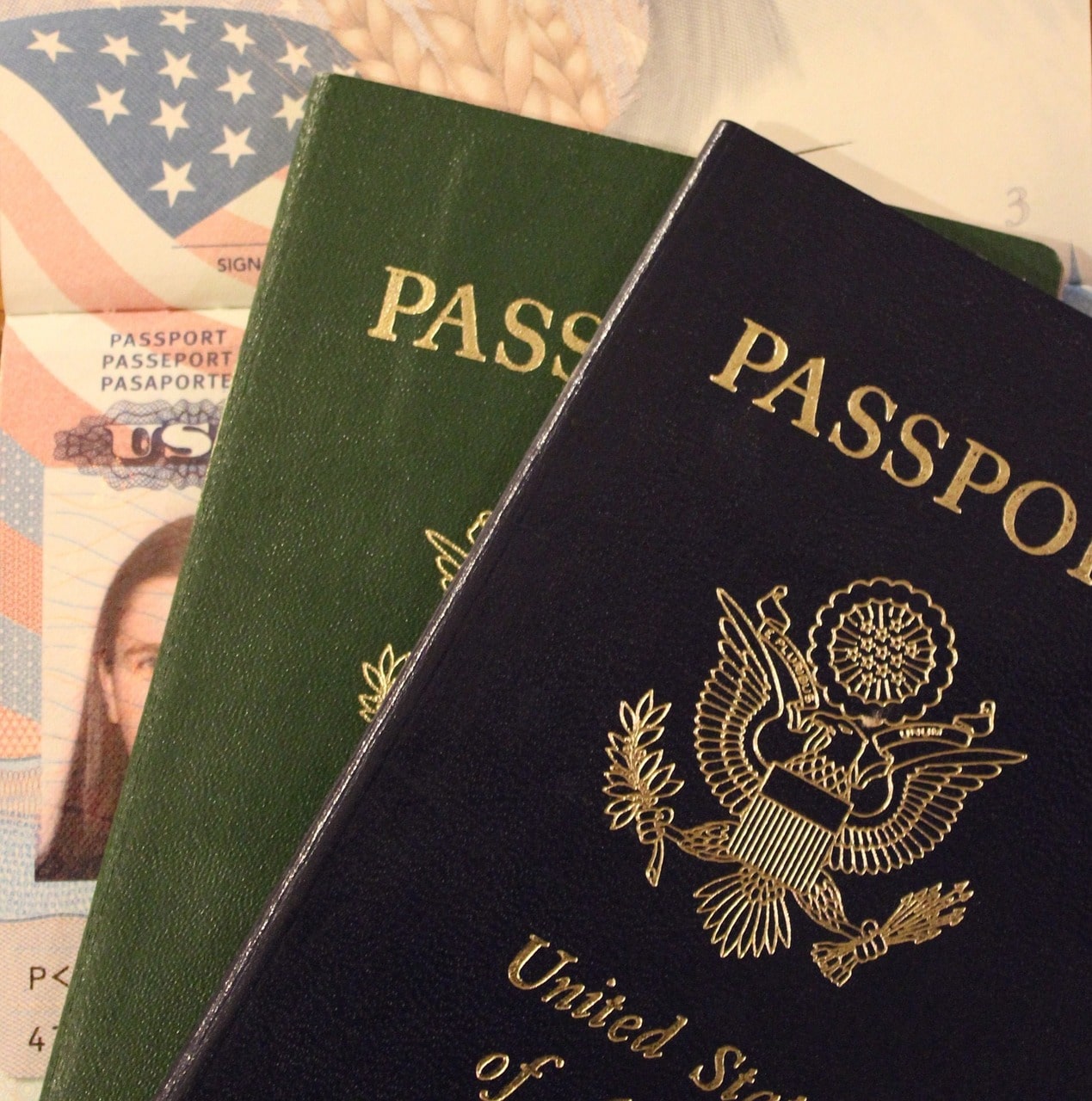
For example, if you are a non-EU citizen and want to stay in Italy for more than 90 days out of a 180-day period, you will need a visa. The process for obtaining one varies depending on the type and can take several months, as well as the submission of various documents.
Sorry to break it to you, but the Italian bureaucratic system can be very slow and complicated, especially if you don’t know the language well. For this reason, Welcome Association Italy makes its services available to help anyone who wants to move to Italy for study or work, offering support in dealing with bureaucracy.