

Welcome Association Italy Meets with the First Secretary of the Italian Embassy in Belgrade: Serbian Students and University Orientation Take Center Stage
A comparison of academic mobility between Serbia and Italy, the needs of international students, and the importance of providing support throughout their university experience even after they arrive in our country.
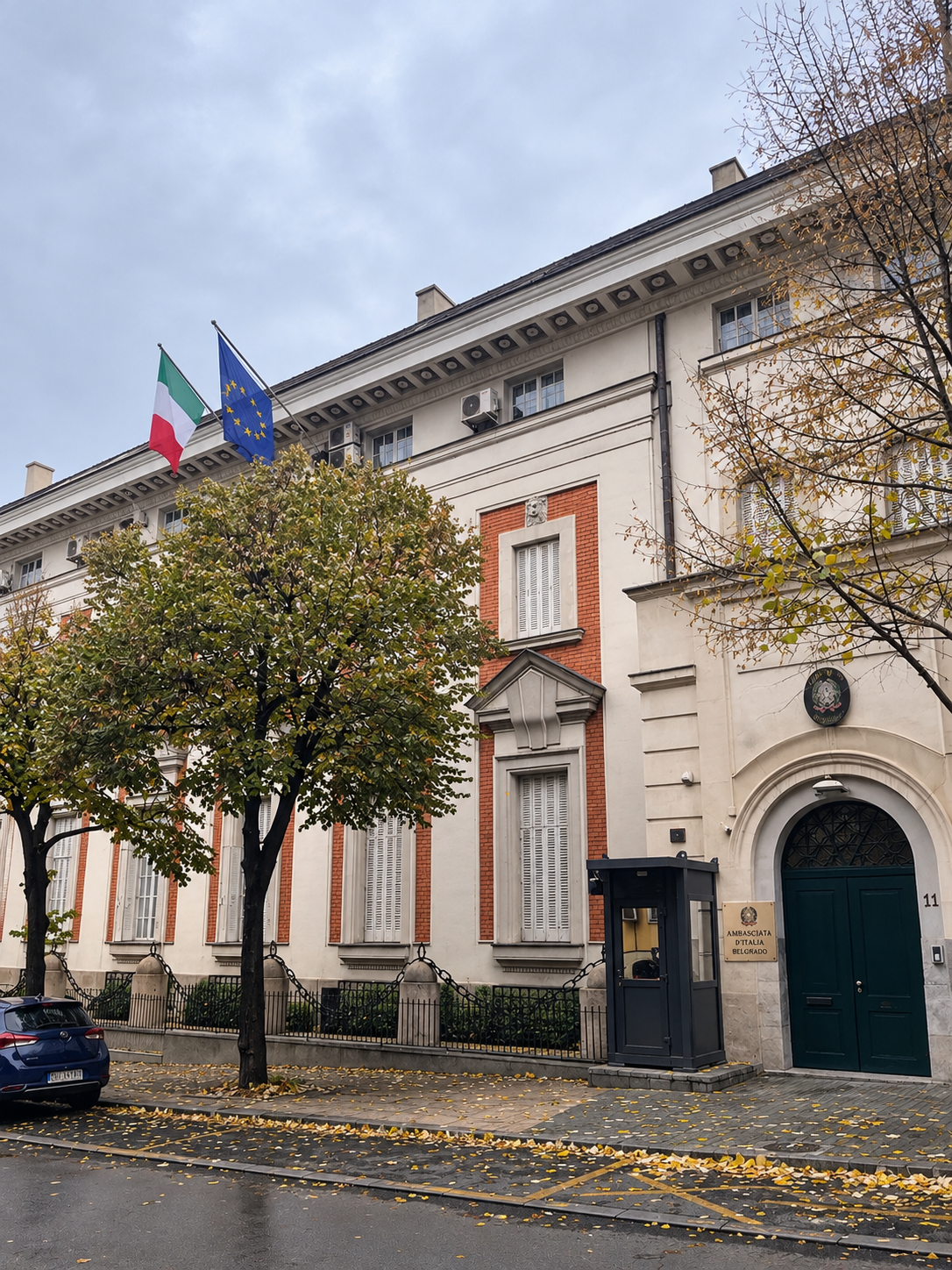
Belgrade, November 3, 2026 – On Monday, November 2, at the Italian Embassy in Belgrade, Carlo Palumbo, Deputy National Secretary of Welcome Association Italy (WAI), met with Dr. Francesco Manià, First Secretary of the Embassy, for a discussion focused on university mobility between Serbia and Italy and the needs of Serbian students who choose our country to continue their education.
The meeting provided an opportunity to present the experience gained by Welcome Association Italy in welcoming international students, sharing data, observations, and challenges that arise during the various stages of their stay in Italy.
At the heart of the discussion was the belief that academic mobility should not be viewed solely in terms of the number of students who choose an Italian university, but also by considering what happens after that choice: from preparing the necessary documents to arrival, and on to integration into university and social life.
Serbian Students in Italy: A Growing Presence
During the meeting, Palumbo outlined the main points of the report “Serbian Students in Italy, ” prepared by Welcome Association Italy and sent in advance to the Embassy via email.
The document compiles data on the Serbian community affiliated with WAI, compares it with official statistics on student mobility, and examines the key needs identified in supporting international students.
Between 2020 and 2025, the number of WAI members who are Serbian citizens rose from 155 to 567, showing significant and steady growth. In 2025 alone, 91.6% of new memberships among Serbian citizens were due to educational reasons, totaling approximately 519 students.
Official data on valid residence permits for study purposes also confirm a positive trend: as of December 31, 2024, there were 521 valid permits issued to Serbian citizens, compared to 425 the previous year, representing a 22.6% increase.
These data differ in nature and time frame and cannot be directly compared, but they help illustrate the growing trend of academic mobility and the importance of appropriate guidance tools.
The ongoing relationship with its members allows WAI to observe not only the numbers but also the most common challenges associated with relocating to Italy.
From Choosing a University to Living in Italy
One of the main topics discussed concerned the need to view welcoming international students as an integral part of the university’s internationalization process.
For an international student, in fact, admission to a university and the issuance of a visa are only the first steps in a more complex experience.
Once in Italy, students must navigate often complex administrative procedures, ranging from applying for a residence permit to securing adequate health insurance, finding housing, and familiarizing themselves with local services.
In addition to these challenges, there are language barriers, navigating the Italian university system, the cost of living, and building a network of relationships that fosters genuine integration.
Welcome Association Italy, a labor union affiliated with FAST-CONFSAL, supports its members through dedicated services and tools, providing guidance and support that is distinct from the responsibilities of public authorities, universities, and other relevant entities.
The experience it has gained enables the Association to identify those areas where clearer information and better communication among the parties involved can make a tangible difference in simplifying the students’ stay.
From this perspective, the quality of the welcome is also an essential factor in the appeal of the Italian university system. A positive experience depends not only on the educational offerings but also on the ability to navigate daily life in the host country with confidence and independence.
The WAI Atlas of University Hospitality
During the discussion,the WAI Atlas of University Welcome was also presented; this project was launched in 2026 with the goal of examining the conditions under which international students are welcomed at 18 Italian universities.
The initiative stems from the need to bring together three complementary perspectives: that of students and university associations, that of Welcome Desks and international offices, and, finally, that of university governance.
Through this listening initiative, WAI aims to identify the most common challenges, learn about the solutions already implemented by universities, and contribute to a broader discussion on services for international students.
The topics covered include administrative guidance, access to housing, linguistic and cultural integration, university services, and information on the procedures required to live and study in Italy.
The project represents a further development of WAI’s work: complementing the daily support provided to members with a structured dialogue with the stakeholders involved in university orientation.
Relations with Serbia and Dialogue with Institutions
During the meeting, the relationship developed by Welcome Association Italy with the diplomatic mission of the Republic of Serbia in Italy was also reviewed.
This relationship has been strengthened through institutional meetings, cultural initiatives, and opportunities for dialogue that have also directly involved students from Italian universities.
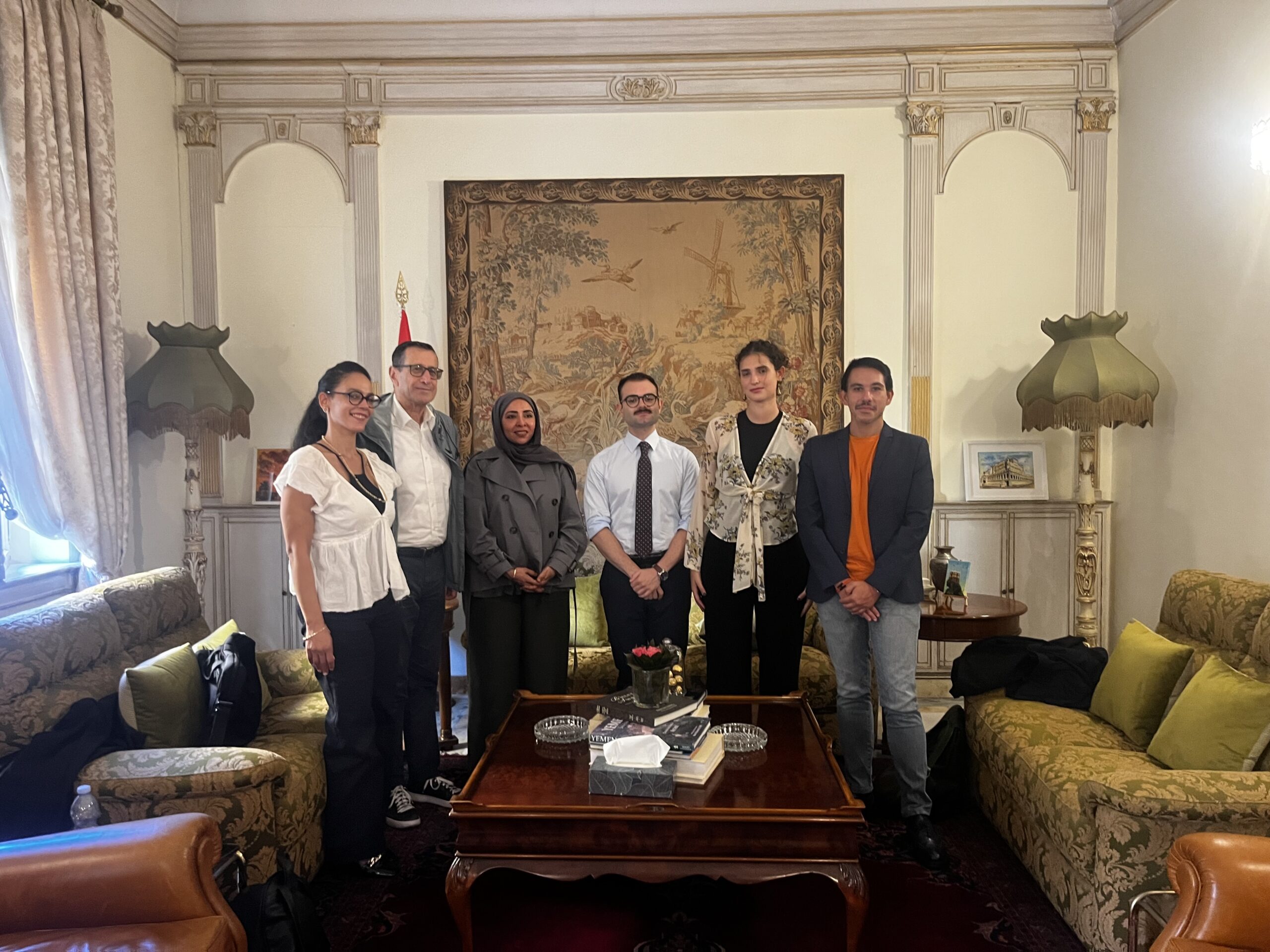
One of the most significant moments was the meeting on February 10, 2026, at the Serbian Embassy in Rome, during which a delegation of five students from student associations at LUISS Guido Carli and Sapienza University of Rome had the opportunity to meet with H.E. Mirjana Jeremić, Ambassador of the Republic of Serbia to Italy.
This experience reflects one of WAI’s objectives: to bring students closer to institutions and to foster opportunities in which the diplomatic sphere can directly engage with the experiences and needs of the younger generation.
The meeting in Belgrade is part of this process, adding another perspective: that of the Italian diplomatic mission in the country from which students begin their journey toward Italian universities.
The ability to compare the needs that emerge before departure with those encountered during the stay in Italy can contribute to a more comprehensive understanding of student mobility between the two countries.
Mutual collaboration to address students’ future needs
The meeting with First Secretary Francesco Manià provided an important opportunity to learn about and share the experience gained by Welcome Association Italy.
The meeting concluded with the intention of maintaining an open channel of communication between the parties, so that they could share information and discuss, as needed, issues related to Serbian students in Italy and, more generally, international university mobility programs.
The goal is to foster a meaningful and practical exchange—while respecting each party’s areas of expertise—that can help identify students’ needs more promptly and facilitate coordination with the appropriate contacts.
For Welcome Association Italy, the value of these opportunities lies precisely in the chance to transform the day-to-day experience gained through its members into a contribution to the dialogue with institutions.
Welcome Association Italy would like to thank Dr. Francesco Manià and the Italian Embassy in Belgrade for their hospitality and willingness to engage in dialogue, and hopes that this meeting will serve as a starting point for fostering a lasting relationship based on mutual understanding and information-sharing in the interest of international students.
This dialogue reaffirms WAI’s commitment to promoting a welcoming environment that is increasingly informed, accessible, and attentive to the needs of those who choose Italy to build their academic future.