

WAI at the FAO: Women, the Bioeconomy, and Innovation at the Heart of International Dialogue
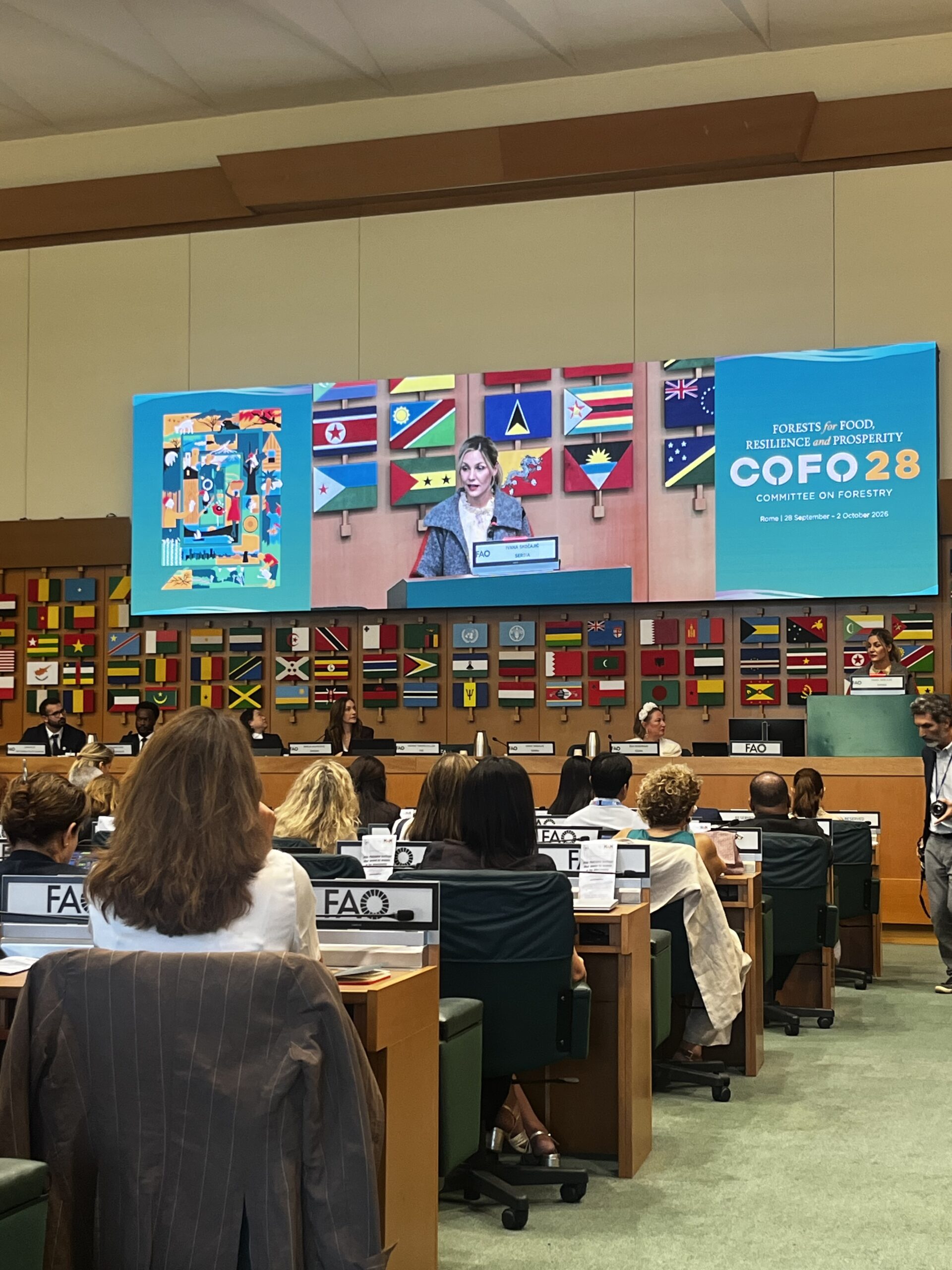
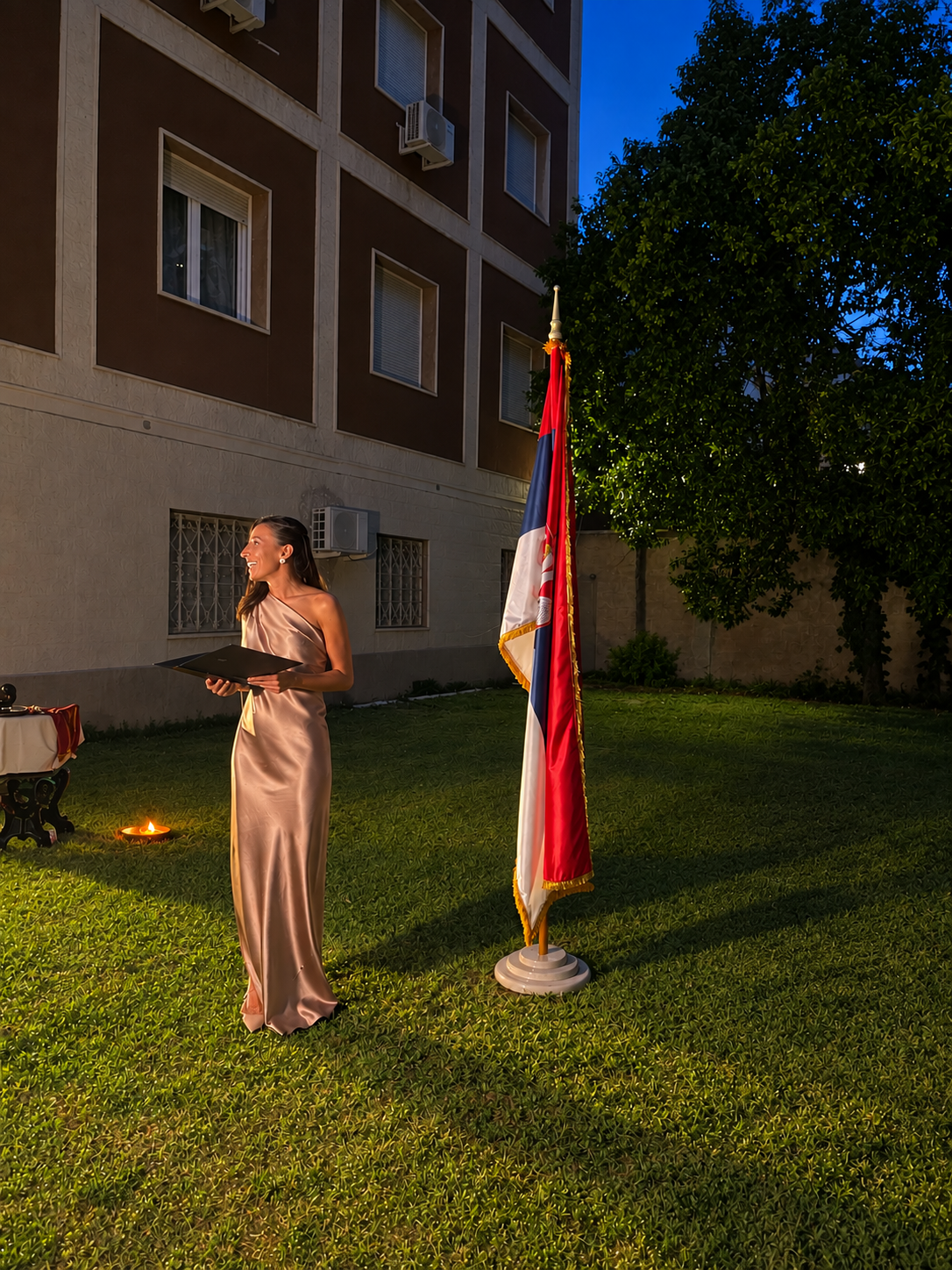
At the invitation of H.E. Ivana Skočajić, Serbia’s Permanent Representative to the FAO, Welcome Association Italy participated in the side event “Women at the Heart of the Bioeconomy – Weaving Innovation in Bio-Based Fashion,” held as part of the 28th Session of the Committee on Forestry.
Rome, October 1, 2026 – Tradition, innovation, sustainability, and the promotion of women’s roles came together at the headquarters of the FAO—the Food and Agriculture Organization of the United Nations —during the international event “Women at the Heart of the Bioeconomy – Weaving Innovation in Bio-Based Fashion.”
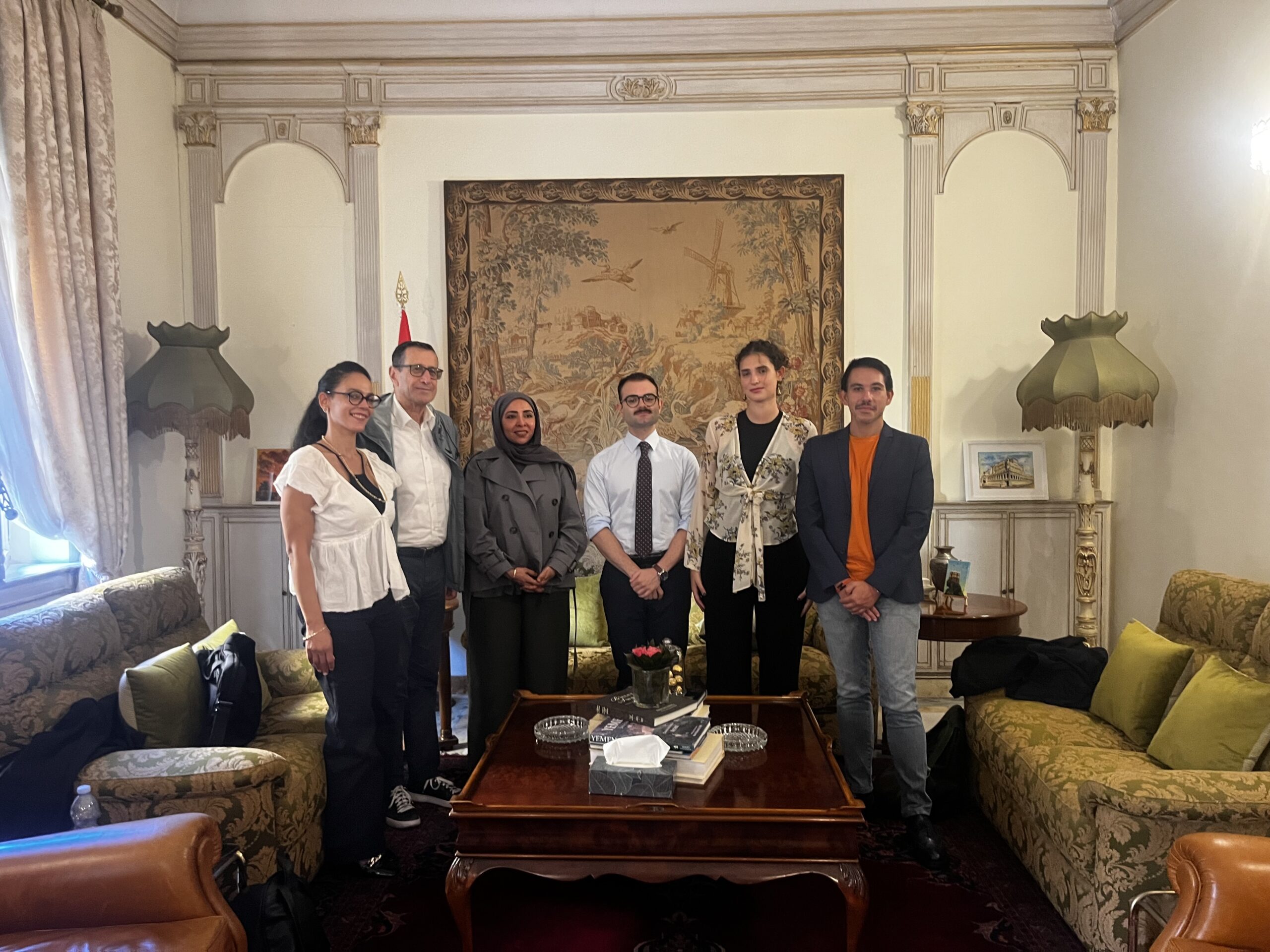
Carlo Palumbo, WAI National Deputy Secretary, took part in the event on behalf of Welcome Association Italy, at the kind invitation of H.E. Ivana Skočajić, Permanent Representative of the Republic of Serbia to the FAO and other United Nations agencies in Rome.
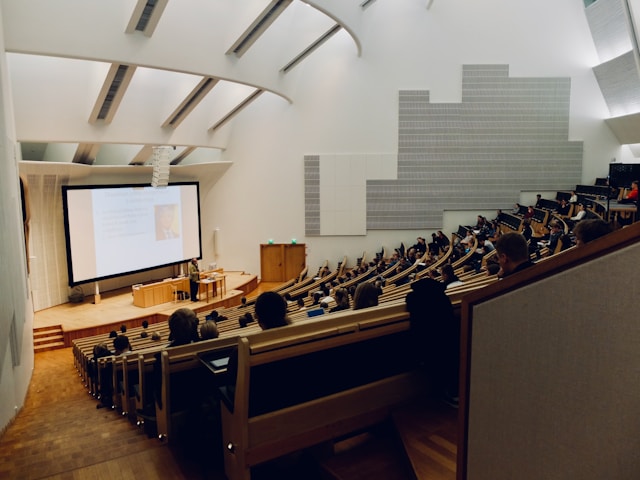
The event, organized by Serbia, the Philippines, and Sweden in collaboration with the FAO, took place as part of the 28th Session of the Committee on Forestry (COFO 28) and the 10th World Forest Week, one of the leading international events dedicated to the future of forests and their role in economic, environmental, and social systems.
From Resource Conservation to New Development Models
The context in which the meeting took place is particularly significant. The Committee on Forestry is the FAO’s highest intergovernmental body dedicated to forests; it periodically brings together governments, forestry policymakers, international organizations, and experts to identify common priorities and guide the Organization’s future work. The 28th Session, scheduled to take place in Rome from September 28 to October 2, is dedicated to the theme “Forests for food, resilience, and prosperity.”
In this context, the bioeconomy takes on a significance that goes far beyond the mere use of natural materials. For the FAO, it means harnessing biological resources, knowledge, science, technology, and innovation to drive a more sustainable transformation of economic systems, while at the same time creating opportunities for regions and communities.
And it was precisely at this intersection of the environment, economic development, and social issues that the side event on October 1 took shape.
Women at the Heart of the Bioeconomy
“Women at the Heart of the Bioeconomy” was organized as part ofthe International Year of the Woman Farmer 2026, which was launched to highlight women’s contributions across various agri-food and rural supply chains and to draw attention to opportunities for access to resources, technology, training, and decision-making processes. The definition adopted by the FAO encompasses not only women farmers but also women working in forestry, artisans, producers, rural entrepreneurs, and custodians of traditional knowledge.
This perspective took shape during the meeting through discussions among institutional representatives, diplomats, innovators, researchers, businesses, and young people.
In addition to H.E. Ivana Skočajić, the program’s key participants included Máximo Torero, Chief Economist of the FAO; Donna Celeste Feliciano-Gatmaytan of the Philippine Embassy; Åsa Degerman of Södra, researcher and youth advocate Ousainou Gaye, and Luka Pejić of the World Food Forum Serbia Youth Chapter.
When Tradition Becomes Innovation
One of the most original aspects of the initiative was the transition from theoretical discussion to its concrete representation through fashion.
In collaboration with Maiani Accademia Moda, case studies from Serbia and the Philippines were presented to demonstrate how local biological resources, traditional knowledge, and innovation can be transformed into contemporary products and economic opportunities. Among the examples presented by the FAO are fabrics made from pineapple fiber in the Philippines and the tradition of Serbian knitwear.
Special attention was given to the traditions of Sirogojno, in the Serbian region of Zlatibor.
Here, wool processing tells a story deeply rooted in women’s work and empowerment. In 1963, an artisanal production initiative was launched within the local agricultural cooperative, and over the years, the creations developed under the guidance of designer Dobrila Vasiljević-Smiljanić reached international markets and events. By 1991, the initiative had involved approximately 2,500 women from the Užice region.
Alongside tradition, Maridruna ’s experience shows how those skills can be reinterpreted in a contemporary way. The Serbian brand, founded in 2015, was created with the goal of reviving and modernizing the art of knitting and collaborates with communities of craftswomen, some of whom have over sixty years of experience.
This may well be one of the most interesting messages to emerge from the initiative: innovation does not necessarily mean abandoning the traditions of the past. Knowledge passed down through generations can become part of new production models, create economic opportunities, and, at the same time, preserve identity and cultural heritage.
WAI: Continuing to Build Bridges Between Institutions and the Younger Generations
For Welcome Association Italy, participating in the meeting represents another step in the dialogue it has been fostering in recent years with embassies, diplomatic missions, universities, student associations, and international communities.
A journey in which international mobility, culture, and dialogue between new generations and institutions are increasingly intertwined.
WAI’s participation in the FAO event also holds special significance because it addresses issues already discussed in the dialogue promoted by the Association on the role of women in international relations, beginning with the international roundtable “Women and Diplomacy: Voices from Around the World.”
The meeting on October 1 adds another perspective to that journey: that of women who, through their knowledge, entrepreneurship, creativity, and innovation, contribute to the economic and social transformation of their communities.
“Participating in this initiative was a valuable opportunity to see how diplomacy, innovation, culture, and sustainable development can come together through concrete experiences. I was particularly struck by the ability to foster a dialogue between knowledge passed down through the ages and new economic perspectives, while recognizing women as key players. It is precisely this kind of international exchange—one capable of connecting institutions, regions, and new generations—that we believe is important to continue promoting, including through the work of Welcome Association Italy.”
Carlo Palumbo
Deputy National Secretary – Welcome Association Italy
An Ongoing Dialogue
WAI’s participation in the FAO event therefore represents not only its presence at an international gathering, but also another opportunity to listen, build relationships, and be open to experiences that can resonate with the new generation of international students who have chosen Italy as the place to pursue their studies and build their lives.
Welcome Association Italy would like to thank H.E. Ivana Skočajić for her kind invitation and for the opportunity to take part in the initiative, as well as the Permanent Missions of Serbia, the Philippines, and Sweden, and the FAO for creating a space where sustainability, innovation, culture, and women’s leadership could come together and engage in dialogue.
For WAI, maintaining a presence in these places means continuing to build bridges: between countries, institutions, and communities, but above all between experiences and new generations.