

Young people in diplomacy: where the diplomats of the future are born
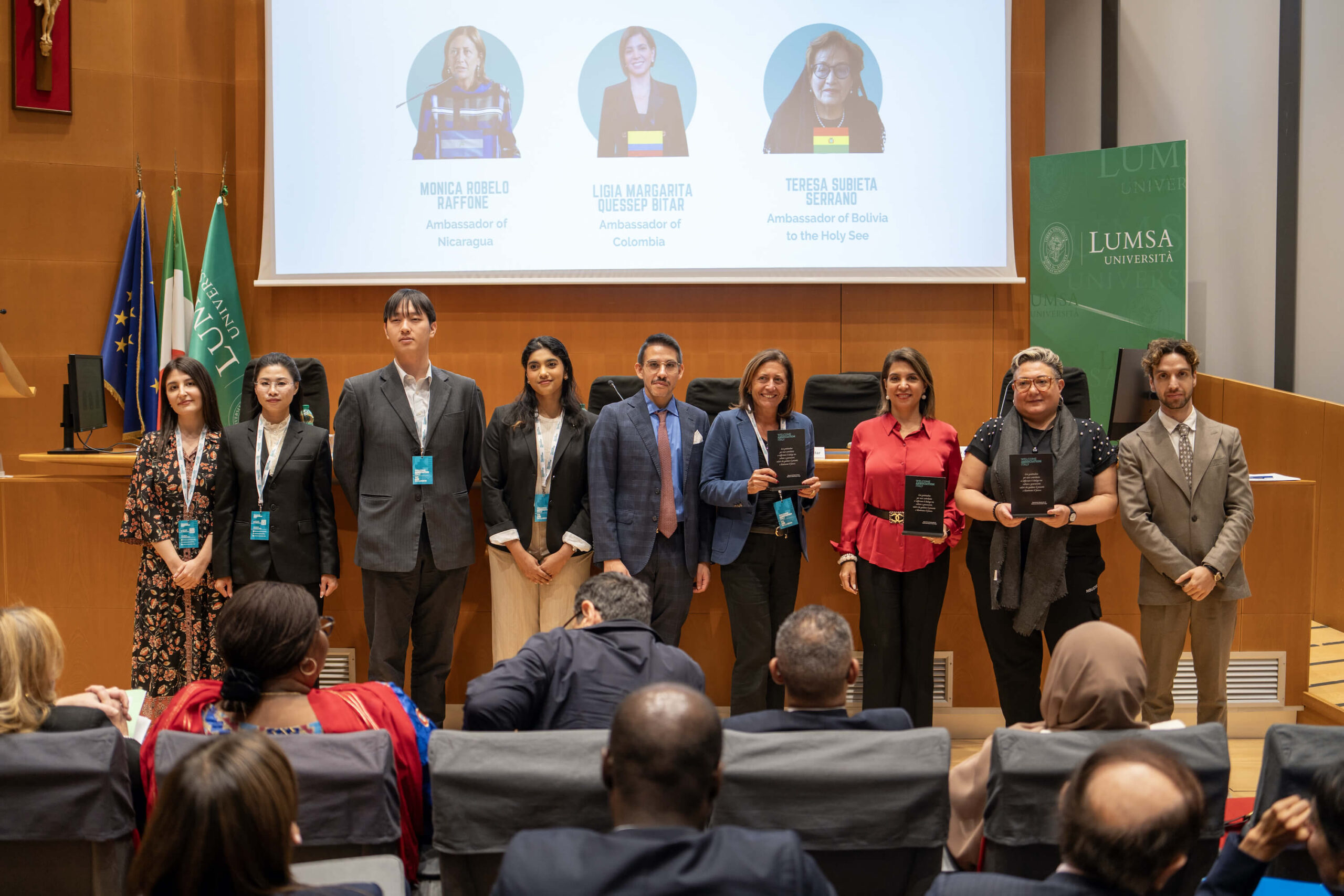
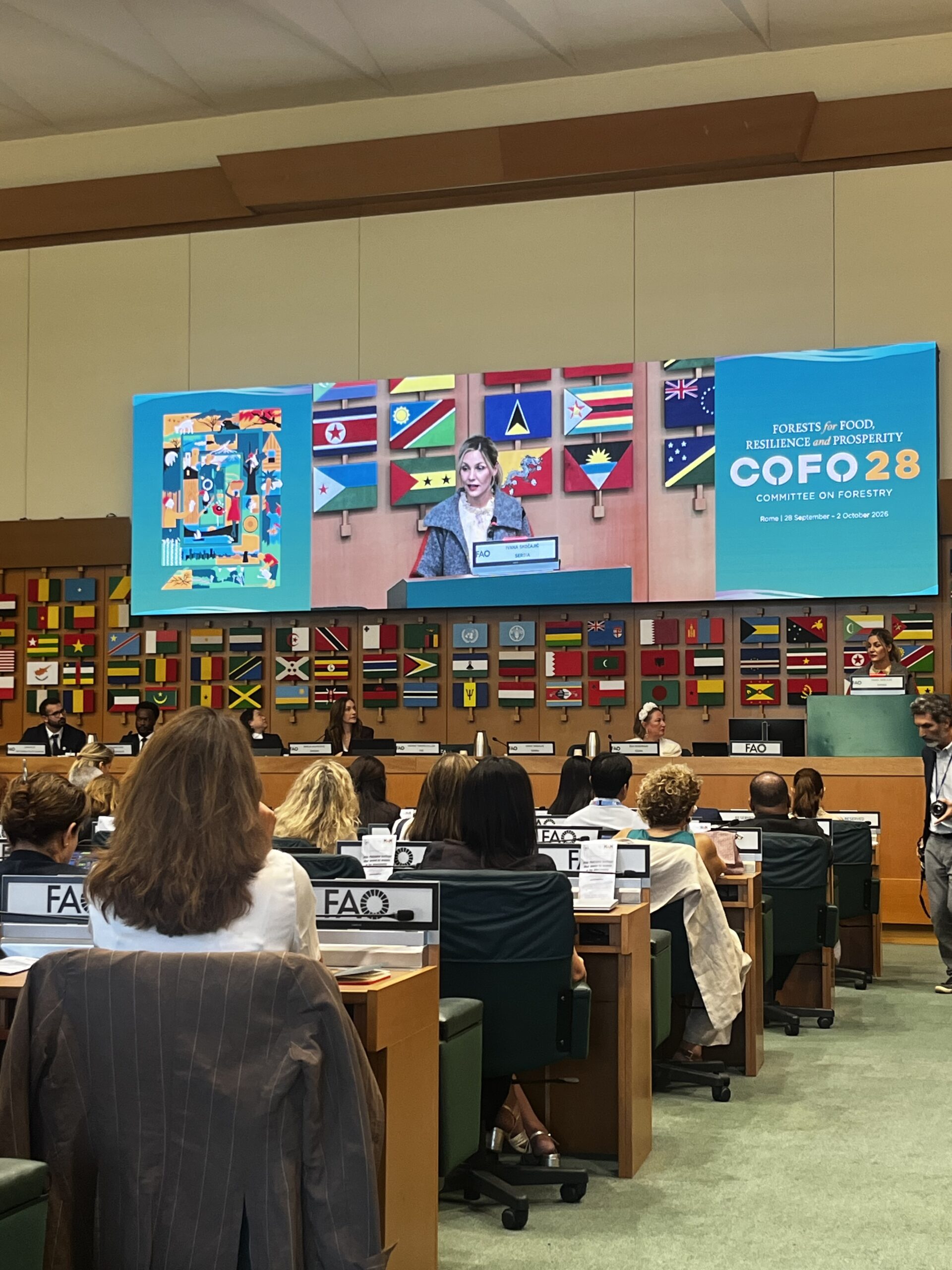
At a time when conflicts seem to prevail over dialogue, the Conference “Women and Diplomacy: Voices from the World” sent a clear message: the diplomacy of the future cannot do without women or young people. Ambassadors’ testimonies showed how women’s presence makes diplomacy more inclusive, empathetic and capable of building lasting bridges. At the same time, the students’ voices showed that the new generations are not spectators, but active protagonists in building international dialogue.
The role of student associations in international diplomacy
An important message conveyed in the Conference was that diplomacy is not just a state affair, but a practice that originates in universities, associations and international student communities.
Why is the voice of young people in diplomacy important?
- Theconstructive energy of the new generation;
- intergenerational dialogue, because tradition and innovation must meet to ensure effective progress;
- a fresh worldview accompanied by new ideas and perspectives.
As Dr. Vu Thi Bich Diep, president of theVietnamese Students in Italy Association, pointed out:
“Too often young people are referred to as ‘the leaders of the future.’ I believe, instead, that we are already leaders, here and now, because of our ability to propose innovative solutions and impact the present reality.”
Where does the diplomacy of the future originate?
The speech by theErasmus Student Network Rome (ASE), given by president Gaia Dalfino, emphasized the importance of mobility for young people, which possesses the power to:
“To raise several generations of young international students in connection, not only with the city where they spent Erasmus, but also with the people with whom they created a strong bond through their shared experiences.”
It is precisely in international mobility projects and spaces for meeting and sharing such as student associations that the foundations for a new diplomacy are being laid.
TheEuropean Youth Network recalled that student associations today are “laboratories of dialogue, cooperation and experimentation.” Places where diversity becomes a resource and young people learn to read the complexity of the present, developing international awareness, responsibility and participation.
The International Relations, Innovation and Sustainability ( IRIS ) association also emphasized the role of theuniversity as a living place for participation and discussion. The academic space, he says, becomes “a microcosm of international relations,” where young people can mature active global citizenship and contribute to social innovation through cooperation.
Young people as bridges between different worlds
Finally, the LUISS Women in International Affairs (LWIA) voice introduced a key concept: “translation,” as the ability of students to build bridges between different worlds.
“It is in this liminal space that diplomacy begins.”
he says, recalling that students live every day between culture, education, identity and the future, transforming this experience into dialogue, understanding and global responsibility.
In conclusion, theInternational Networking Association (INA) offered a powerful reflection on the very nature of diplomacy, recalling that:
“Diplomacy can be compared to a concert: it is not how a single instrument plays that matters, but how all the instruments synchronize with each other and what harmony produces the final sound.”
A powerful image that restores the sense of shared participation, collaboration and equality, including gender equality, as indispensable elements.
Toward a more inclusive and participatory diplomacy
These valuable testimonies show that student associations are not simply organizational realities, but true laboratories of civil diplomacy. Decisive skills are formed in them: negotiation, empathy, shared leadership, and the ability to build networks and dialogue across differences.
The future of international relations passes through them: associations that build community and students who build bridges between cultures.