

Women’s Diplomacy: ideas, challenges and visions from the WAI International Conference
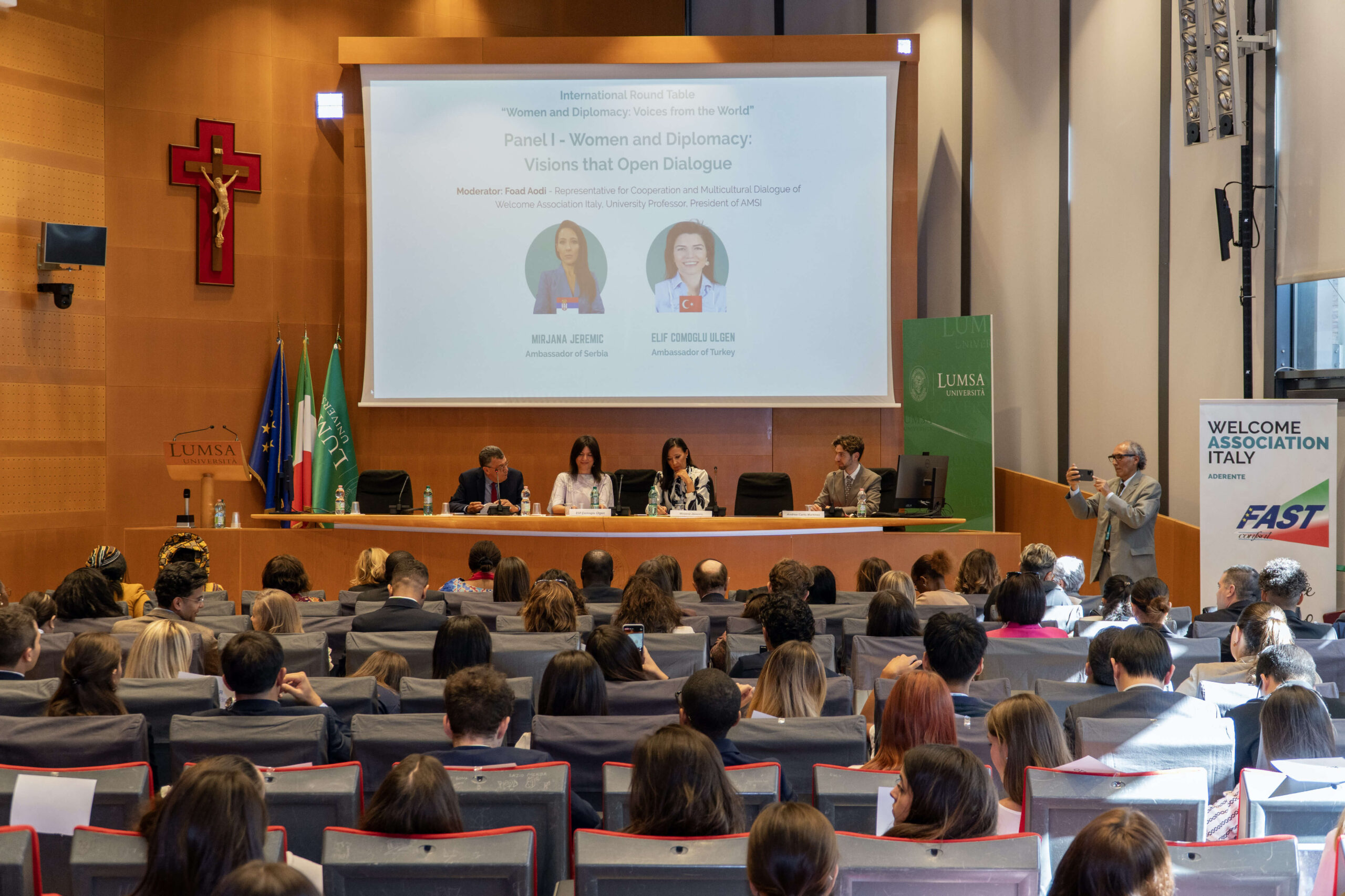
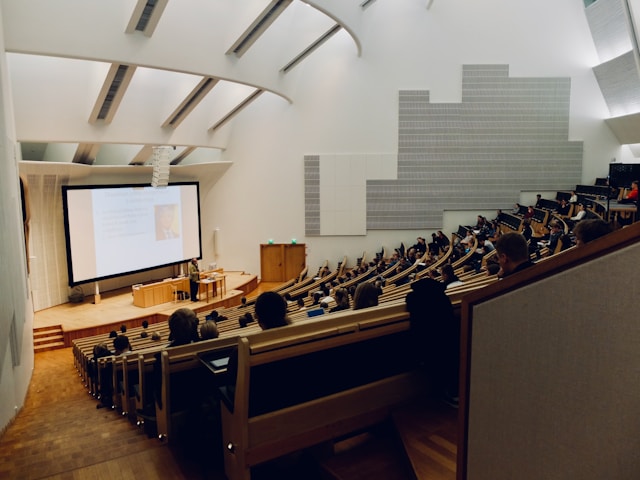
The International Conference “Women and Diplomacy: Voices from Around the World,” sponsored by Welcome Association Italy (WAI) and sponsored by the Ministry of University and Research (MUR) and LUMSA University, was held on October 2. The conference brought together Ambassadors, institutional representatives and international students in a unique dialogue on the future of international relations.
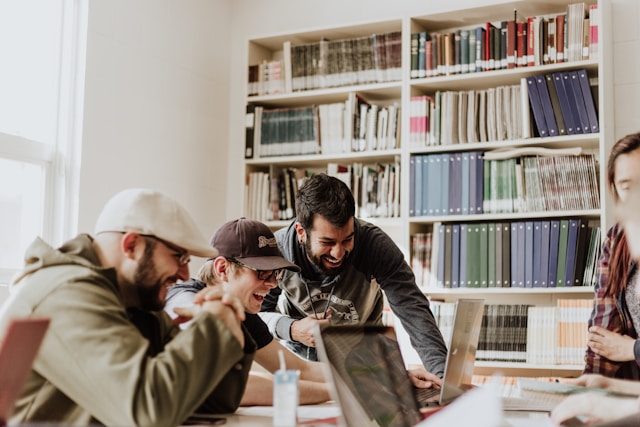
The participation of the student delegations-from the Students Diplomatic Association (LUSDA) to LUISS Women in International Affairs, from the International Networking Association (INA) to the European Youth Network, to the Association of Vietnamese Students in Italy (ASVI) and IRIS – International Relations, Innovation and Sustainability-added a valuable intergenerational dimension that made the discussion even richer, more dynamic and inclusive.
Scarica gli atti del
convegno
Download the conference proceedings
Descargar las actas del congreso
Télécharger les actes du colloque
Combating gender inequality in diplomacy
“Diplomacy does not belong to a few, but is a common good, a universal responsibility. And women, with their strength and vision, are its indispensable protagonists today.”
This is how Foad Aodi, president of the Association of Doctors of Foreign Origin in Italy, concluded his speech, bringing attention to an issue that is still unfortunately very relevant: gender inequality in political circles.
Nowadays, only 23.4 percent of the world’s ambassadors are women-a percentage that indicates considerable progress from 0.9 percent in 1968, but also that there is still a long way to go.
For years WAI has been engaged in initiatives to support international mobility and civil diplomacy. This is the second meeting after “Women’s Stories: enriching diversity” designed as a workshop on women’s leadership, cooperation between countries and the role of the younger generation.
Diplomacy and peace: the centrality of women’s perspective
One of the common threads that emerged in the dialogue among the Ambassadors was the relationship between diplomacy and peacebuilding. Several interventions highlighted how women’s leadership brings new approaches to conflict management. In particular, the watchword was “empathy” and the importance of listening.
In her remarks, Ligia Margarita Quessep Bitar, Ambassador of the Republic of Colombia, emphasized that:
“Listening with empathy, recognizing the dignity of the other, and building bridges between cultures are not incidental gestures, but the very heart of diplomatic engagement.”
The role of women thus becomes crucial in keeping the dialogue between different realities alive, as Monica Robelo Raffone, for the Republic of Nicaragua, mentioned.
“I realized that every voice possesses essential value and that diplomacy can transform it into a message capable of crossing all borders.”
Watch the full video of the meeting:
Ethical leadership: toward a more responsible diplomacy
A second major thematic axis concerned the ethical value of women’s leadership.
Many ambassadors insisted on the need for diplomacy that is transparent, fair and based on the protection of human rights.
Ambassador of the Principality of Monaco, Anne Eastwood, said:
“The presence of women already changes the way our nations dialogue and cooperate. If we want tomorrow’s diplomacy to be more effective, we must continue to open its doors, support the women who engage in it, and recognize the value they bring.”
The ethical perspective also returned in the speeches of the African ambassadors. For Cyrille Ganou Badolo of Burkina Faso, progress comes from the ability to recognize and overcome stereotypes that are still entrenched:
“Women diplomats continue to face a double challenge: fulfilling their ambitions as leaders and, at the same time, as wives and mothers, called upon to be role models in a society that still tends to relegate them to traditional roles.”
Themes of women’s resilience and the daily challenge to the prejudices still present in contemporary societies emerge from these interventions, requiring ongoing efforts to build inclusive and sustainable models.
Students’ contribution: new generations, new voices
Among the most appreciated and significant moments of the conference were the speeches by international student associations. Young people brought
A passage from the European Youth Network ‘s contribution summarizes this view well:
“Being a global citizen means choosing to build bridges instead of walls, listening with curiosity, participating with commitment, and acting critically. To every student I would like to say: cultivate your curiosity, do not be afraid of the unknown and different, always try to transform knowledge into concrete action. Only in this way can we become a generation capable of making the world more just, inclusive and supportive.”
Women, cultures and dialogue: the words that united the panels
Despite the diversity of experiences and backgrounds, some key common themes emerged from the panels:
- Diplomacy as an instrument of peace;
- Women’s leadership as an engine of innovation;
- The need for an ethical and responsible vision;
- The centrality of listening, empathy and mediation;
- The importance of multilateralism;
- The growing role of the younger generation;
- Cultural diplomacy as a bridge between peoples.
These are not just abstract concepts, but an orientation that gives concrete form to a new idea of diplomacy: more inclusive, more humane, and better prepared to face global challenges.
The conference “Women and Diplomacy: Voices from the World” demonstrated that when women, institutions and young people come together, a stronger, more aware and more cooperation-oriented diplomacy is born.
For more: the Proceedings of the Conference.
This article provides an overview of the themes that emerged, but for those who wish to explore the above issues in more depth, the Proceedings of the Conference, which collects in its entirety, are available for download:
- the full speeches of all Ambassadors;
- the interventions of student associations;
- moderators’ analyses;
- The cultural and diplomatic vision promoted by WAI.
A valuable document for those who wish to understand how diplomacy is evolving through the engagement of women and the younger generation.
Download the Proceedings of the Conference.